


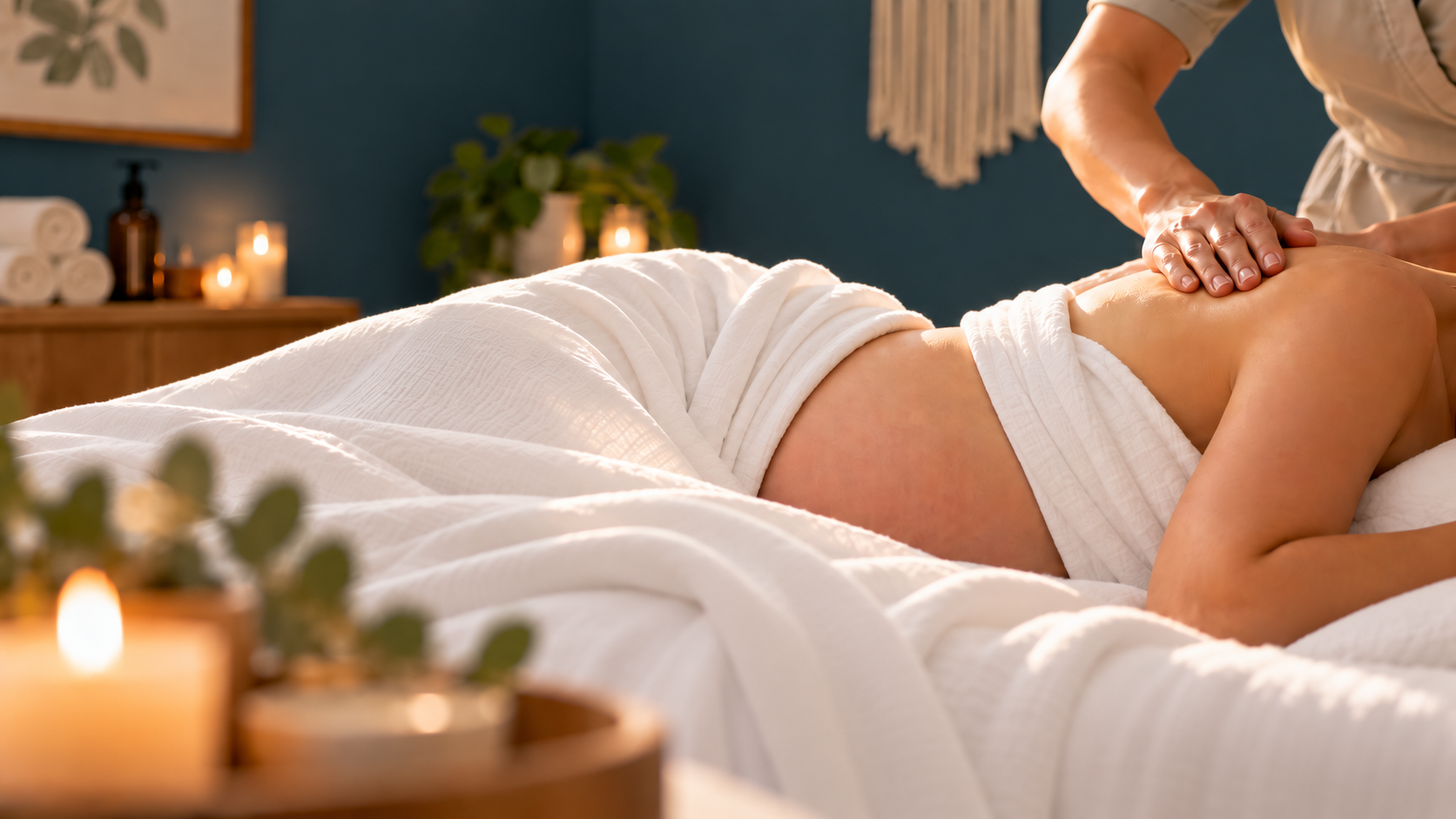
While pregnancy is a wonderful and sentimental time for expecting mothers, along with it comes with pain and discomfort that they wished did not exist. The process and birth of newborns should be an exciting and painless journey that mothers undergo, as it is the creation of a family and a future. As the rate of pregnancy increases each year, it is important to find a solution that best benefits the physical side effects of pregnancy, such as back pain, joint pain, fatigue, and more. By incorporating massage therapy, in this case prenatal massage, it not only provides a safe haven for mothers, but enhances wellbeing and lifestyle as pain, soreness, and ache is reduced. By understanding how prenatal massage works, it ensures a more serene and satisfactory process towards childbirth.
Prenatal massage is a massage technique focused specifically for pregnant women. While massaging for muscle tension and improving blood circulation, it also attends to gentler and lighter massaging as to best cooperate with the pregnancy. According to an article called “Prenatal Massage Therapy” from the American Pregnancy Association, they state, “Research shows prenatal massage therapy can help reduce anxiety, decrease symptoms of depression, relieve muscle aches and joint pains, and improve labor outcomes and newborn health” (American Pregnancy Association). While normal massages could be utilized as well, prenatal massages are the better option as it best serves the individual.
Throughout pregnancy, women usually experience physical symptoms caused by the change in their body. They often face back and joint pain, headaches, fatigue, increased appetite, morning sickness, and breast changes. These are just some of many symptoms that they encounter, and it most often leads to discomfort, pain, and tiredness. MD. Faik Tamer Sozen from Live Hospital mentions how “The hormonal changes that occur during pregnancy are the main cause of developing symptoms” (Sozen). Because the body is constantly changing, it alters physical traits of the body. That is why it is important to find treatment and therapies to best relieve the pain as to avoid future issues. The question is how to best incorporate prenatal massage to suit an individual the most, and what techniques are the more effective in providing maximum relief and comfort.
The most common prenatal massage techniques are Swedish massage and gentle Shiatsu, both adapted with lighter pressure and safe positioning. Some techniques, like deep tissue massage, aren’t suitable during pregnancy, and we’ll explain why below.
Swedish Massage
Swedish massages, known for their purpose of improving circulation and reducing muscle tension through gentle and calming strokes, is a popular massage technique among expecting mothers, as it is a method that ensures the safety and comfort of the individual. While there are some positions during this massage that prenatal mothers may not perform, there are alternative solutions that best suit the situation. According to an article called “Are Swedish Massages Good for Pregnancy Wellness?” from the Birmingham Wellness Massage, they state, “Prenatal massage notably reduces stress and anxiety by promoting relaxation and lowering cortisol levels. Swedish massages, including specialized pregnancy massage techniques, can also alleviate common pregnancy discomforts like muscle aches, back pain, and swollen joints, offering much-needed relief” (Birminghamwel). This suggests that Swedish massages are the most common form among pregnancy as it aims to promote relaxation and minimal movement.
Why We Don’t Offer Deep Tissue Massage During Pregnancy
Deep tissue massage uses firm, sustained pressure to reach the deeper layers of muscle. It works well for chronic tension, but it isn’t a good fit during pregnancy.
During pregnancy, blood volume increases and circulation changes, which raises the risk of blood clots, especially in the legs. Strong pressure in those areas is commonly discouraged. Joints and ligaments also loosen as the body prepares for birth, so intense work can strain areas that are already under stress.
That’s why Cloud 9 Foot Spa’s prenatal sessions do not include deep tissue techniques. Instead, our therapists use gentle to moderate pressure, focusing on areas like the back, shoulders, and neck, where tension tends to build as the body changes. [Confirm: side-lying positioning / pregnancy pillows / pressure adjusted on request.]
If you’re used to deep tissue massage, let your therapist know where you feel tight. They can still help with targeted relief, just at a pressure that’s safe for you and your baby. And always check with your OB or midwife before booking.
Shiatsu
Shiatsu massage focuses on utilizing finger pressure through the thumbs and palms to stretch parts of the body to enhance energy and balance. This technique originated in Japan, and strives to reduce stress and anxiety, as well as to improve poor posture and digestive issues. It is a more traditional and light massage technique, aiming for relaxation and relief. A research study called “The Impact of Shiatsu Massage on Labour Pain and Anxiety: A Randomized Controlled Trial” from the National Library of Medicine was conducted to test the effectiveness of Shiatsu massage on pain and anxiety. The results showed: “Findings showed that shiatsu massage was effective and safe for relieving pain and reducing anxiety during childbirth of nulliparous women. This research suggests that shiatsu massage can be used as an effective alternative method to relieve pain and anxiety during labour in low risk pregnancies, particularly in settings with limited access to pharmaceutical analgesics” (Norhapifah et. al). By understanding the benefits of Shiatsu massage, it encourages more participation towards this technique, leading to greater wellbeing and comfort.
At Cloud 9 Foot Spa, our family-friendly atmosphere hopes to provide comfort and relief for expecting mothers. Supporting and understanding the customer needs while pregnant, we ensure that individuals feel comfortable and safe during their massage. By informing therapists beforehand that their client is pregnant, it helps them to perform more gentle strokes, avoid certain areas of the body, and be mindful of positioning. Prenatal massages are an exceptional massage service that can induce relief and any other pregnancy discomforts, leading to a greater pregnancy experience overall.
Written by Jolyn Lai
Works Cited
American Pregnancy Association. “Prenatal Massage.” American Pregnancy Association, 1 May 2018, americanpregnancy.org/healthy-pregnancy/is-it-safe/prenatal-massage/.
Birminghamwel. “Are Swedish Massages Good for Pregnancy Wellness.” Birmingham Wellness Massage, 9 Sept. 2024, birminghamwellnessmassage.com/are-swedish-massages-good-for-pregnancy-wellness/. Accessed 22 Aug. 2025.
Cherrington-Cook, Jayne . “Cradle & Tonic.” Cradle & Tonic, 2025, www.cradleandtonic.co.uk/blogs/pregnancy-massage/deep-tissue-massage-pregnancy-benefits-risks. Accessed 22 Aug. 2025.
Faik Tamer Sozen, Liv Editorial. “Pregnancy Symptoms: What Are They? When Do They Start?” Liv Hospital – Future of Healthcare, Liv Hospital, 8 Feb. 2023, www.livhospital.com/en/pregnancy-symptoms.
Hestri Norhapifah, et al. “The Impact of Shiatsu Massage on Labour Pain and Anxiety: A Randomized Controlled Trial.” PubMed, vol. 12, no. 4, 1 Oct. 2024, pp. 243–253, https://doi.org/10.30476/ijcbnm.2024.101509.2432. Accessed 24 Nov. 2024.